July 20, 2026
Building a dream house represents a significant milestone in life. It transforms abstract ideas into tangible structures where memories take root and flourish. Individuals embarking on this journey encounter pure excitement mixed with logistical challenges. Understanding the distinct stages of construction ensures a smoother transition from initial concept to ultimate completion. The entire endeavor demands vision, patience, and clear communication among all participants.
A well-defined timeline provides clarity throughout the intricate process. It establishes solid expectations for both the future homeowner and the professionals managing the project. By focusing on sequential phases, participants navigate the vast complexities of design, permits, and physical labor. Preparing for each step remains the best strategy for achieving a successful outcome. Anticipating the upcoming requirements helps maintain steady progress toward the finished residence.
The Foundation and Structural Framing Phase
The initial stage involves detailed site preparation followed by deep excavation. Teams clear the land of debris and establish the essential footprint of the residence. Once the ground is ready, concrete pouring occurs to create a stable base. This foundational element dictates the structural integrity of the entire building, necessitating precise measurements. A skilled custom home builder ensures these early activities align with blueprints to avoid future complications.
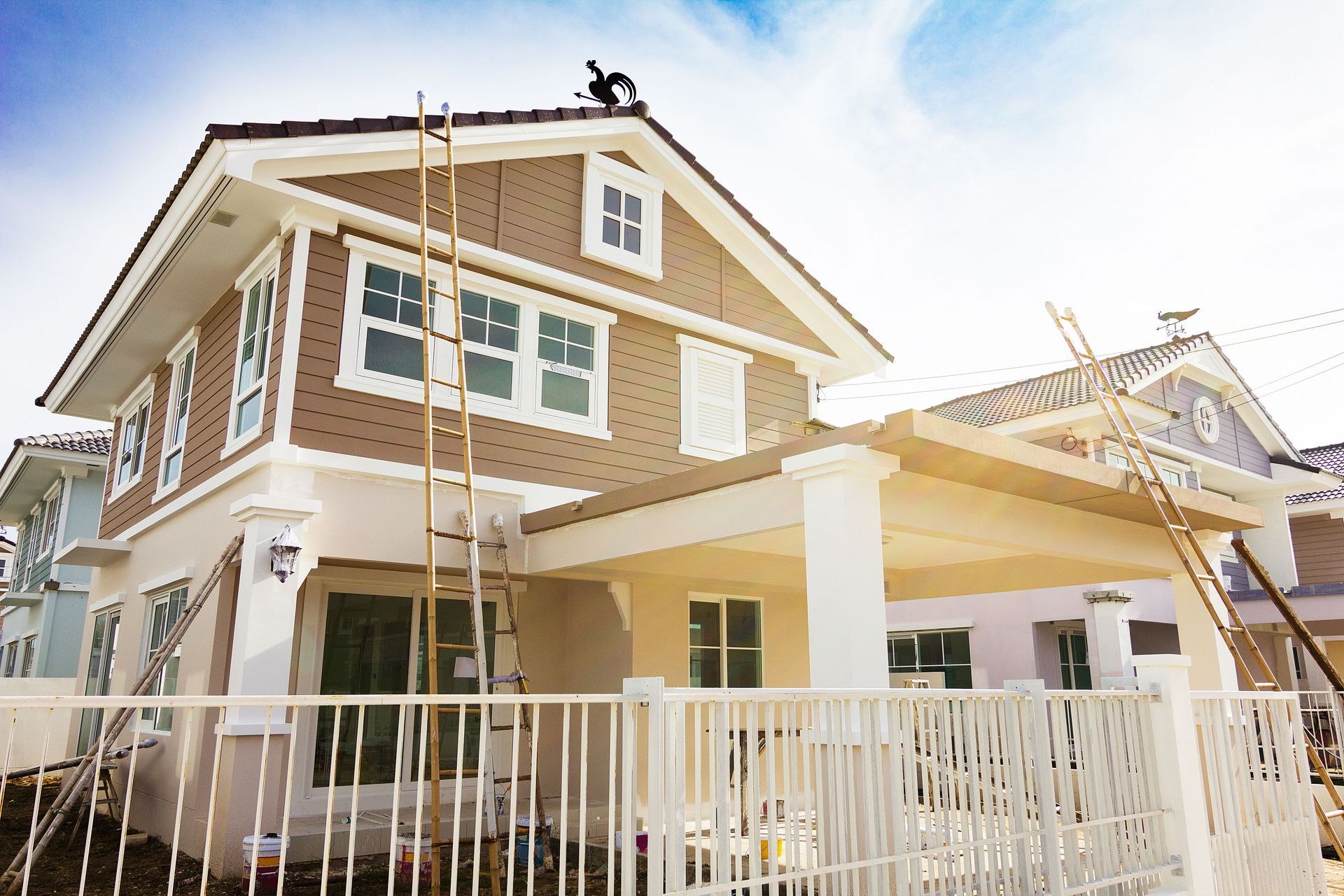
Following the foundation, framing crews arrive to erect the wooden skeleton of the house. Walls rise toward the sky, roof trusses settle into precise positions, and the shape of the building becomes visible to the surrounding neighborhood. This phase happens with great speed, creating a profound sense of momentum for all participants. The fast pace of framing highlights the importance of having materials staged and ready for installation.
Attention then shifts to sheathing and roof installation to seal the exterior against the weather. Completing the outer shell protects the delicate interior from outside elements while allowing work to continue inside. During this specific timeframe, mandatory inspections ensure strict adherence to safety codes. Relying on a proactive custom home builder helps maintain a steady schedule alignment, as they coordinate the necessary visits from municipal authorities.
The final structural tasks involve installing glass windows and heavy exterior doors. With the home fully enclosed, the primary focus transitions from outdoor progress to vital interior systems. This transition marks the official end of the rough construction period. Observing this progress allows homeowners to verify that their personal vision matches the physical dimensions of the new structure.
The Mechanical, Electrical, and Plumbing Integration
Hidden behind the walls, essential systems function as the vital circulatory system of the residence. Electricians install copper wiring, plumbers route PVC pipes, and HVAC technicians place metal ductwork throughout the framing. These invisible components determine the long-term energy efficiency and everyday comfort of the dwelling. Precise planning prevents future accessibility issues, which explains why diligent management oversees these installations with great care.
Coordination remains vital during this complex stage of development. Multiple trades must work within tight spaces without interfering with the tasks of other professionals. Communication flows between the lead contractor and specialized installers to ensure pipes and wires occupy the correct paths. This phase requires immense patience as the raw structure begins to feel like a functional machine capable of supporting modern life.
Rigorous inspections occur throughout the installation of these critical systems. Government experts verify that electrical circuits are safe and plumbing connections remain watertight. These regulatory checks provide profound reassurance regarding the quality of labor performed inside the structure. A thorough custom home builder manages these schedules to prevent frustrating bottlenecks that could delay subsequent construction phases.
As these internal systems near full completion, thick insulation fills the empty voids in walls and ceilings. This critical layer adds sustained comfort and thermal efficiency to the home. With systems hidden and insulation in place, the massive project stands ready for the transformation of flat interior surfaces. Every component must be verified before fresh wallboard covers the underlying mechanical work.
The Interior Finishes and Aesthetic Detailing
Once the mechanical systems receive formal approval, the true aesthetic transformation begins. Drywall installation signals the transition from a skeletal frame to clear room definitions. Dedicated crews hang, tape, and sand the gypsum boards to prepare for fresh paint or decorative wall coverings. The home transitions from a loud construction zone to a quiet living space during this specific timeframe.
Skilled carpenters install solid doors, decorative baseboards, and intricate trim elements that add unique character to each room. The selection of wooden cabinets, tile flooring, and stone countertops occurs at the exact same time. The visual impact of these choices defines the overall style of the residence. When selecting a custom home builder, homeowners should prioritize professionals who maintain strong relationships with quality craftsmen who execute these details with precision.
Applying fresh paint creates a brand-new atmosphere throughout the residence. Neutral tones or bold colors change the human perception of open space and natural lighting in each room. The intense focus on tiny details during the finishing stage separates average builds from exceptional examples of architecture. Small touches, like metallic hardware installation and bright lighting fixture placement, elevate the overall design aesthetic.
This particular phase also tracks in tandem with broader real estate market trends. According to Residential Design Magazine, 36,000 custom homes were built in the first quarter of 2026. This high level of sustained activity highlights the vast popularity of personalized residences. Staying organized during this busy period ensures that every finish remains consistent with the original architectural plan.
The Final Inspections and Project Handover
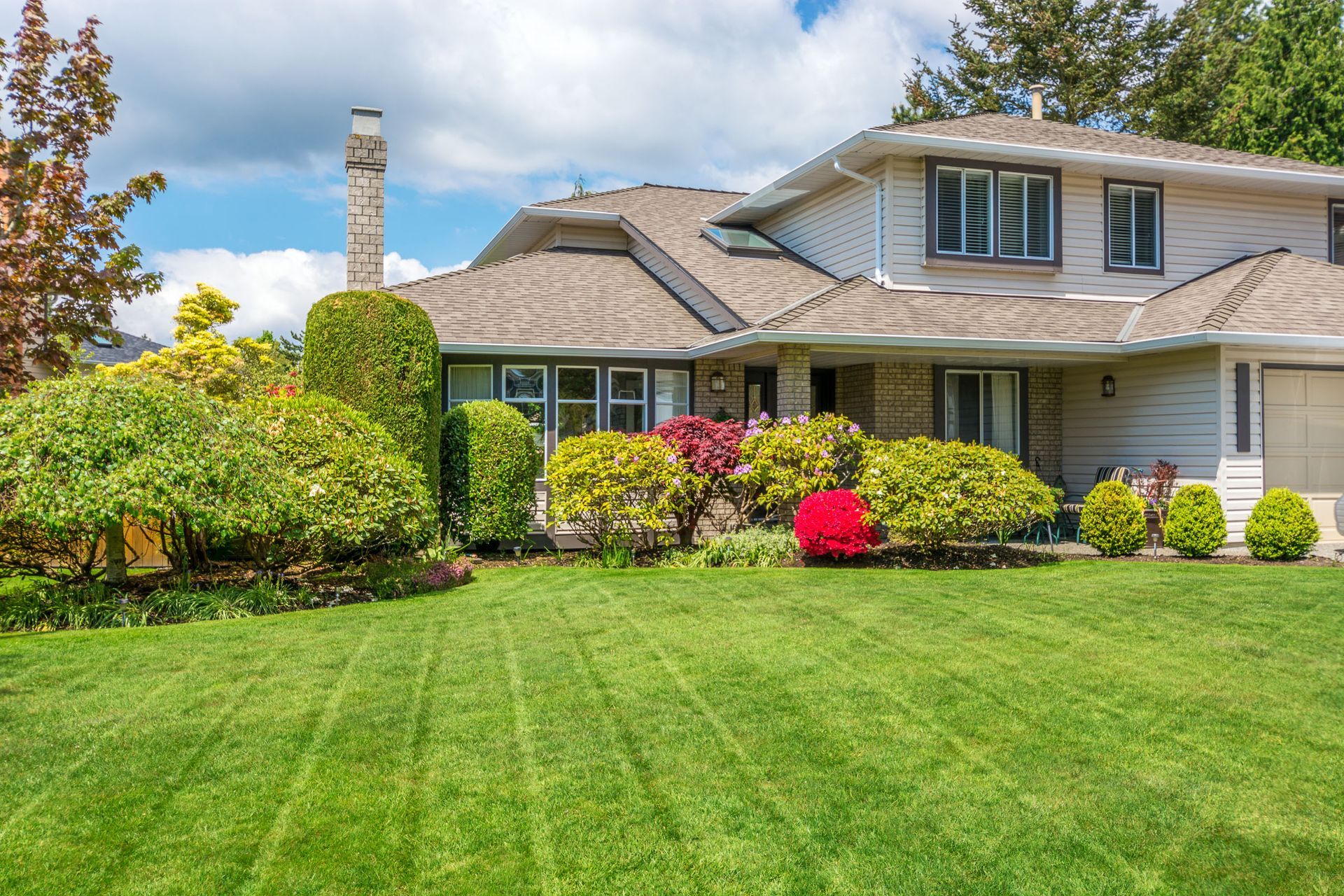
The final stretch focuses on polishing the home for long-term occupancy. Exterior landscaping reaches full completion, and proper final grading ensures optimal water drainage away from the concrete foundation. Inside the dwelling, workers address minor cosmetic imperfections and perform a deep cleaning to prepare for the arrival of new owners. This stage feels rewarding as the bare house transforms into a warm home.
Comprehensive walkthroughs allow the future homeowner to identify any remaining adjustments. The lead contractor explains the proper operation of new systems, including kitchen appliances and digital climate controls. This important educational process is essential for long-term home maintenance. A professional custom home builder takes the required time to answer questions and ensure the homeowner feels comfortable with every feature.
Regulatory municipal authorities perform a final inspection to issue the official certificate of occupancy. This vital legal document grants official permission to reside in the new structure. Achieving this massive milestone requires the successful completion of every previous task on the schedule. It marks the triumphant culmination of many months of intense effort, meticulous planning, and heavy physical construction.
The metal keys change hands, signaling the end of the complex construction timeline. The transition from active client to permanent resident represents the ultimate fulfillment of the original design intent. With the large project closed, the homeowner begins to enjoy the abundant results of their financial investment. This final handover concludes the collaborative experience of creating a unique, personalized living space.
The journey toward a completed residence involves numerous moving parts and distinct operational phases. By recognizing the steady progression from raw foundation work to polished final finishes, future homeowners maintain a clearer mental perspective. Each distinct stage serves as a crucial building block toward the final objective of a functional, beautiful space. Endless patience and clear communication remain the strong pillars of a positive building experience.
Long-term success in this endeavor requires a strong working partnership between the client and the professional construction team. Choosing the right custom home builder facilitates a collaborative journey marked by pure transparency and high efficiency. As the construction dust settles and the keys arrive, the intense effort invested in meticulous planning yields a magnificent residence built to provide immense satisfaction for many future years. When you are ready to begin your design journey, reach out to us at Creative Homes. As an experienced custom home builder, we look forward to bringing your vision to life.